

Improving Cognitive Training Apps for Older Adults: What’s Working & What Must Come Next
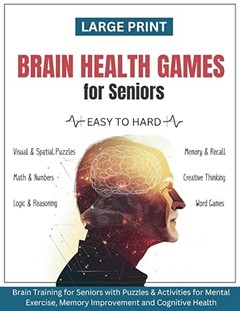
Cognitive training apps continue to gain traction among older adults seeking to maintain or improve cognitive function. While many available tools show promise, recent evaluations highlight an important reality: current apps designed for older adults with mild cognitive impairment offer moderate overall quality and significant variability in effectiveness, usability, and evidence-based support. Understanding where these apps succeed, and where they need to evolve is essential for shaping the next generation of digital cognitive health tools.
Current State of Cognitive Training Apps
Most apps today offer structured exercises that target memory, attention, processing speed, and problem-solving. Though users appreciate the accessibility and convenience of daily digital training, comprehensive reviews reveal notable inconsistencies:
- Moderate app quality across the market
- Wide variability in usability, design, and scientific accuracy
- Stronger performance in basic exercise delivery
- Weak performance in engagement, education, and evidence-based content
These findings suggest that while the foundation is in place, much more can be done to make cognitive training tools more effective, user-friendly, and clinically meaningful.
Key Areas That Need Improvement
1. Stronger Engagement Features
Older adults, especially those with cognitive impairment, need interaction, motivation, and a sense of connection to stay engaged. Effective cognitive training depends on consistent use, yet many apps fall short because they lack:
- Personalization of difficulty levels
- Adaptive pacing
- Interactive prompts, feedback, and rewards
- Social or community-based engagement options
2. Personalized Cognitive Support
Most apps still use one-size-fits-all training. Personalization increases relevance and boosts long-term use. Older adults benefit from training tailored to their individual abilities and limitations. To better support cognitive health:
- Exercises should adapt to the user’s performance trends
- Recommendations should reflect the user’s goals, limitations, and strengths
- The interface should accommodate sensory and motor needs common in older adults
3. Better Integration of Health Care Expertise
Few apps are guided by clinicians, neuroscientists, or geriatric specialists. Aligning development with evidence-based standards is essential to ensure training is safe, appropriate, and scientifically sound. To meet these guidelines, future apps should:
- Incorporate validated cognitive assessment tools
- Provide clear, research-based information
- Enable optional collaboration with caregivers or clinicians
- Offer data outputs that support care planning and monitoring
Future Development for Next-Generation Cognitive Training Apps
By moving beyond simple “brain games,” developers should build tools that better support cognitive health in aging adults. To progress ahead of today’s moderate-quality apps, future solutions should consider including:
- Holistic wellness recommendations, incorporating coaching tips and community features
- AI-driven personalization with real-time difficulty adjustments
- Integration with wearable devices to track sleep, activity, and wellness for a more complete view of cognitive health
- Cognitive wellness plans that blend digital exercises with lifestyle guidance such as nutrition, movement, and social engagement
- Voice-assisted navigation to improve accessibility
- Family or caregiver dashboards for shared monitoring
- Regular clinical advisory board involvement to keep content current and evidence-based
Moving Toward a More Supportive Digital Future
Creative Programs and Systems monitors emerging technology to understand how digital tools can better support the population. Cognitive training apps show real potential for adults experiencing memory challenges, but progress is needed to strengthen engagement, deepen personalization, and align development with evidence-based guidance. With thoughtful innovation, these tools can evolve from basic exercises into comprehensive systems that help older adults maintain cognitive health throughout life. CPS remains committed to promoting more effective, accessible, and clinically grounded digital solutions for the well-being of all.
For more information, refer to JMIR Publications.
__________
Founded in 1994, Creative Programs and Systems delivers professional results for all your computer needs. We design, create, and code various custom software programs and websites. Additionally, we offer superior digital marketing services, including enhanced Search Engine Optimization (SEO) and paid advertising. We also repair and support commercial computer infrastructure, build custom systems and servers, and provide secure data backups. Need assistance or want to learn more? Call (810)224-5252 or email info@cpsmi.com us!
Written by the Digital Marketing Team at Creative Programs & Systems: https://www.cpsmi.com/.